September 2, 2026
Choosing the right crane is a critical part of planning any construction, industrial, or specialized lifting project. The equipment must be capable of handling the load while also fitting the site's physical conditions, required lift height, operating radius, and project schedule. Selecting the wrong machine can create unnecessary delays, increase costs, and complicate an otherwise manageable job.
A successful crane rental begins with a detailed evaluation of what the project actually requires. Contractors should consider the load itself, where it must be picked and placed, how accessible the site is, and whether the ground can support the equipment. By comparing these factors with the capabilities of different crane types, project teams can make a more informed equipment decision before work begins.
Evaluating the Load and Lift Requirements
Calculating Weight, Radius, and Capacity
The first step in selecting a crane rental is determining exactly what must be lifted. Contractors need accurate information about the total load weight, including the item being lifted and applicable rigging, along with its dimensions and center of gravity. Weight alone does not determine whether a particular crane can safely perform the lift. The operating radius, or the horizontal distance between the crane's center of rotation and the load, can also significantly affect available lifting capacity.
Lift height and placement requirements are equally important. A crane may have enough capacity to raise a load but lack the necessary boom length or reach to position it where the project requires. Contractors should establish the maximum hook height, working radius, and travel path before choosing equipment. This information helps narrow the available options and reduces the chance of selecting a machine that is oversized in one area but insufficient in another.
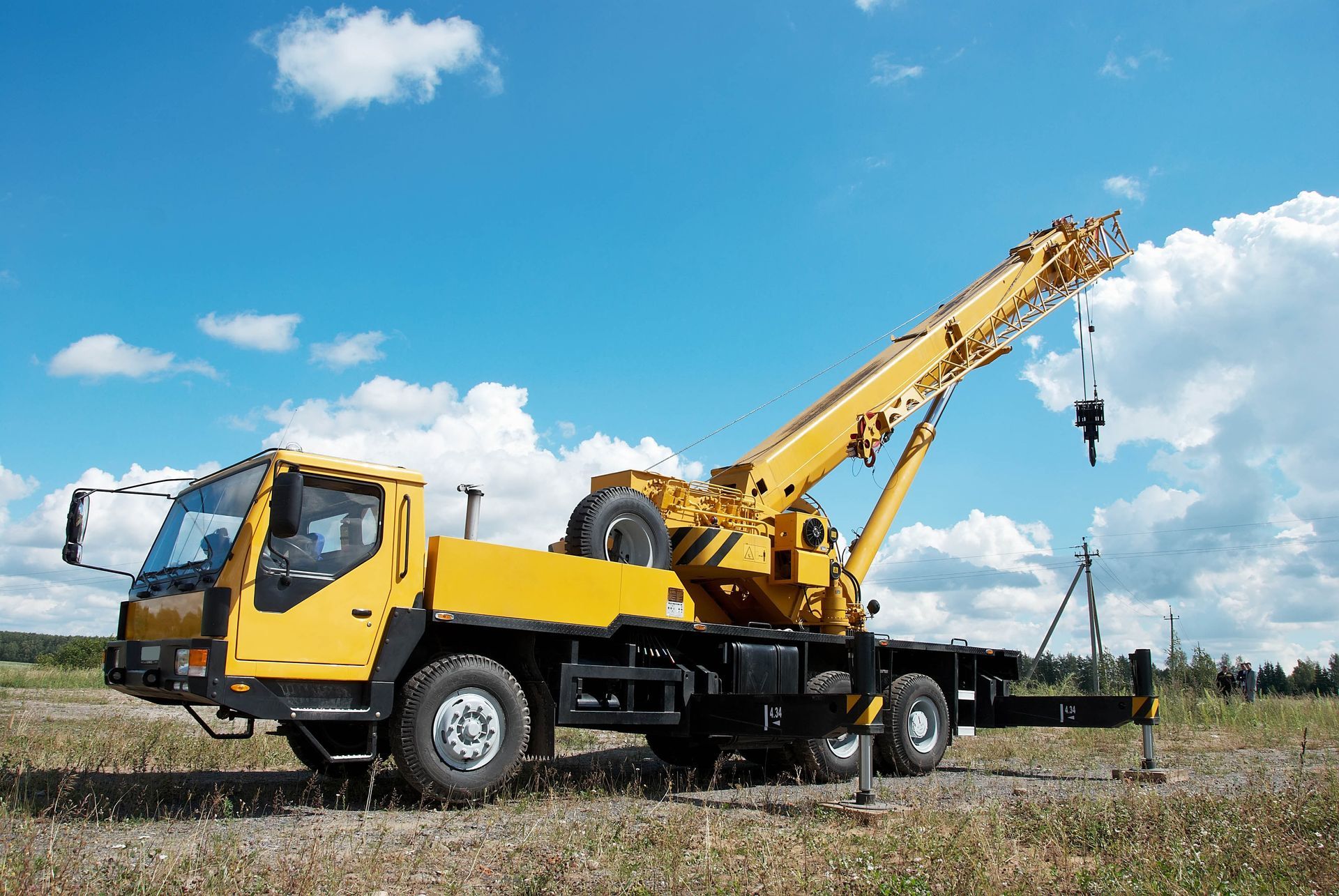
Hydraulic cranes can be a practical choice when contractors need substantial lifting capability with flexibility for a range of applications. According to HowStuffWorks, a hydraulic crane's name generally reflects its maximum lifting capacity, so a 40-ton model can lift up to 40 short tons under the appropriate conditions. However, contractors should always review the applicable load chart because actual capacity changes based on factors such as boom configuration and operating radius.
Matching the Crane to Project Duration
Project duration can also influence the right crane rental decision. A short, one-time lift may require a different approach than a machine that must remain available throughout several phases of construction. Contractors should consider how frequently the crane will be used, whether it will need to perform multiple types of lifts, and how long equipment must remain on site.
Hydraulic and telescopic cranes can suit projects that require adaptable lifting operations and relatively efficient setup for changing tasks. The configurations of these cranes can make them useful when crews need to handle loads at different heights or distances without relying on a crane intended solely for one fixed application. This flexibility can be especially valuable on projects where the lifting sequence changes as construction progresses.
Assessing Site Conditions and Accessibility
Examining Ground and Terrain Conditions
The job site's ground conditions play a major role in determining which crane can operate effectively. Contractors should evaluate soil conditions, surface stability, available working space, slopes, and potential obstacles before arranging equipment. A crane that performs well on a firm, open construction site may not be suitable for uneven terrain or a location with limited access.
Rough terrain cranes are designed for jobs involving challenging or uneven surfaces. The configuration of these cranes makes them well suited to construction sites where paved access is limited, and crews need equipment capable of traveling across difficult ground conditions. Before selecting one, however, contractors should still confirm that the site's terrain and surface can support the planned operation.
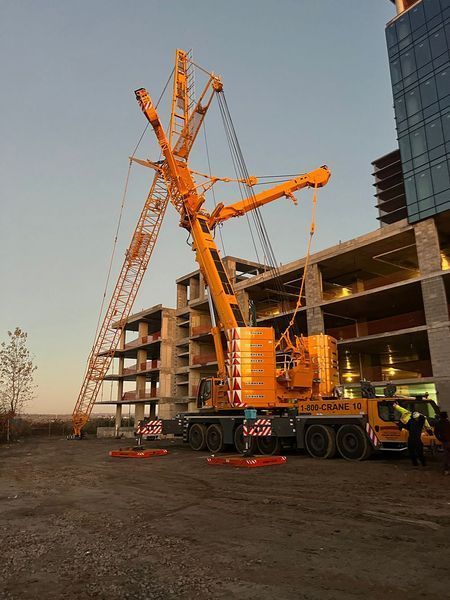
Crawler cranes can also be advantageous on sites where mobility across the project area is important. The crane's tracked undercarriage distributes the machine's weight across a larger surface area and allows movement over certain ground conditions that could be less suitable for other crane configurations. They are often considered for substantial lifting projects where the crane may need to travel around the site while remaining configured for demanding work.
Considering Access and Mobility Needs
Access can quickly eliminate otherwise capable equipment from consideration. Contractors should evaluate entry points, road conditions, turning areas, overhead obstructions, and the amount of space available for setup. A large crane with sufficient capacity is not useful if it cannot safely reach the required work area or be positioned appropriately for the lift.
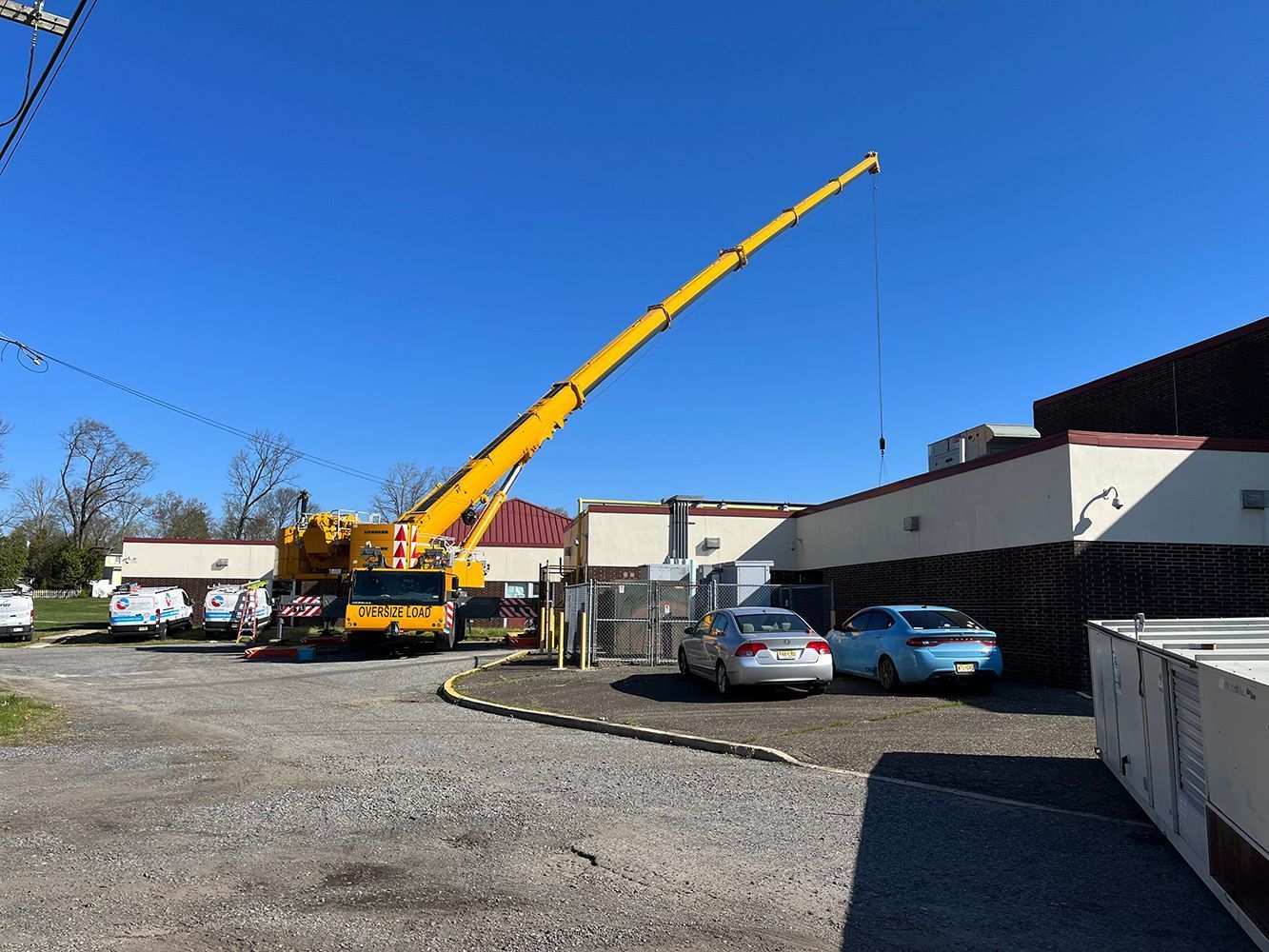
All-terrain cranes can be a strong option when projects require travel over public roads and movement across varying site conditions. Their versatility can make them suitable for contractors working across multiple locations or facing a combination of improved and less-developed surfaces. Reviewing transportation and site mobility requirements in advance can help determine whether this type of equipment matches the project's logistical demands.
Telescopic cranes are another option when adjustable boom reach is an important consideration. Their telescoping booms allow operators to extend or retract the boom to meet different lift requirements, making them useful for projects with varying heights and operating distances. When selecting a crane rental for these applications, contractors should compare the planned lifts with the machine's rated capabilities at each required configuration.
Selecting Equipment for the Project's Specific Application
Comparing Crane Types With the Work Environment
Once contractors understand the load and site requirements, they can compare crane types according to the actual application. Hydraulic cranes can support a variety of lifting operations, while rough terrain cranes are better suited to projects involving difficult ground conditions. All-terrain cranes provide versatility when both road travel and variable site conditions are part of the job.
Crawler cranes are often considered for major projects requiring substantial lifting capacity and movement within a broader work area. Their size and configuration can make them appropriate for demanding operations, but contractors must also account for mobilization, site preparation, and the available space needed for the equipment. The right choice depends on whether those capabilities align with the project's scope.
Tower cranes are particularly well-suited for projects requiring repeated vertical lifting over an established work area. They can support high-rise and other vertical construction where materials must be moved repeatedly across a substantial height and operating radius. Because their setup and use are closely connected to the site's construction plan, contractors should evaluate their crane rental needs early in the project rather than treating equipment selection as a last-minute decision.
Coordinating the Crane With the Lift Plan
The crane itself is only one part of a successful lifting operation. Contractors should also consider how the equipment will coordinate with rigging, delivery schedules, personnel, other machinery, and the sequence of work. A detailed lift plan can identify potential conflicts before equipment arrives and help crews establish where the crane should be positioned for safe and efficient operations.
Complex projects may involve unusual loads, precise placement requirements, or multiple lifting stages. In these situations, professional guidance can help contractors determine whether one crane can perform every required task or whether different equipment configurations are necessary as the project develops. Planning these details before finalizing a crane rental can reduce downtime and make it easier to keep work progressing according to schedule.
The right crane rental is ultimately the one that matches the complete demands of the project rather than simply offering the highest lifting capacity. By carefully evaluating the lift, site conditions, mobility needs, and work environment, contractors can choose among hydraulic, crawler, tower, rough terrain, all-terrain, and telescopic cranes with greater confidence. Contact Dobbs Crane Rentals today to discuss your project and find the right crane rental for the job.