November 12, 2026
Whether you're managing a construction project, handling industrial work, or coordinating a specialized lift, choosing the right crane rental provider can make a significant difference in your project's success. The right equipment, experienced operators, and dependable customer service help keep work moving safely and efficiently. However, not every rental provider offers the same level of experience or equipment selection. Knowing what to look for can help you find a reliable company that meets your project's needs.
Evaluating Equipment Selection and Availability
One of the first things to consider when choosing a crane rental company is its equipment selection. Different projects require different lifting capacities, configurations, and equipment capabilities. Renting a crane that does not meet the project's requirements can cause unnecessary delays, additional expenses, and potential safety concerns.
Before contacting providers, determine what type of lifting work your project involves. Consider the weight of the materials, the required lifting height, the distance the load must travel, and the available space at the jobsite. These details can help narrow down the equipment options that are appropriate for the work.
A dependable provider should offer access to equipment suited to a variety of applications. Some common considerations include:
- Lifting capacity: The crane must safely handle the maximum expected load.
- Reach and height: Equipment should accommodate the project's required lifting distances and elevations.
- Jobsite conditions: Ground conditions, overhead obstructions, and available operating space can influence equipment selection.
- Equipment availability: The provider should be able to accommodate the project's schedule and anticipated rental duration.
A company with a diverse selection of equipment can help customers identify an appropriate solution rather than forcing them to work around limited inventory. Asking about available equipment early can also help prevent scheduling complications.
Checking Industry Experience and Professional Qualifications
Experience is another important factor when comparing rental providers. Crane operations require specialized knowledge, and choosing an established company can provide greater confidence that the equipment and personnel are appropriate for the job.
According to Gitnux, the United States has more than 34,000 businesses involved in construction equipment rentals. With so many providers operating in the industry, customers should take time to evaluate each company's background rather than making a decision based solely on price or availability.
Look for a crane rental company with experience handling projects similar to yours. A provider familiar with construction, industrial facilities, commercial properties, and specialized lifting applications may be better equipped to understand the challenges involved.
It is also important to ask about operator qualifications and relevant safety training. Crane operators should possess the appropriate certifications and experience for the equipment they operate. Depending on the project, additional qualifications or jobsite requirements may apply.
A professional provider should be willing to discuss its experience, equipment maintenance practices, and safety procedures. Clear answers to these questions can help you determine whether the company takes its responsibilities seriously.
Reviewing Safety Standards and Equipment Maintenance
Crane safety should never be treated as an afterthought. Heavy lifting involves significant risks, and equipment problems or improper operating procedures can result in serious injuries, property damage, and project interruptions.
Before choosing a crane rental company, ask how it maintains and inspects its equipment. Regular inspections and preventive maintenance help identify potential mechanical issues before they affect operations. Well-maintained cranes are also important for supporting reliable performance throughout a rental period.
Customers should look for providers that prioritize established safety practices, including:
- Routine equipment inspections and maintenance.
- Properly trained and qualified crane operators.
- Appropriate load capacity evaluations.
- Safe setup and positioning procedures.
- Compliance with applicable industry regulations and jobsite requirements.
It is also worth discussing how the company approaches unusual site conditions or complicated lifting requirements. An experienced provider should understand that every jobsite presents different considerations and that proper planning is essential before operations begin.
Taking time to review safety practices can help reduce unnecessary risks and provide greater confidence throughout the project.
Comparing Rental Costs and Contract Terms
Pricing is naturally an important consideration when selecting a crane rental company, but the lowest quote is not always the best value. Rental costs can vary depending on equipment type, lifting capacity, rental duration, transportation requirements, and whether an operator is included.
When comparing estimates, make sure you understand exactly what each provider includes. One company may offer a lower initial price but charge additional fees for transportation, setup, or other requirements. Another provider may offer a more complete rental arrangement that better accommodates the project's needs.
Before signing an agreement, review important details such as:
- Rental rates and minimum rental periods.
- Transportation and delivery charges.
- Operator availability and associated costs.
- Potential overtime or extended rental fees.
- Insurance requirements and liability responsibilities.
- Cancellation policies and scheduling adjustments.
Ask the provider to explain any unclear contract terms before committing. Understanding the financial details ahead of time helps prevent unexpected expenses and makes it easier to accurately compare competing offers.
A reputable company should provide straightforward pricing information and explain the terms associated with its rental services. Transparency during the estimating process is a useful indicator of how the provider communicates with customers.
Assessing Customer Service and Project Support
Reliable equipment is only one part of a successful rental experience. Communication and customer support also play important roles, particularly when projects involve complicated lifting requirements or changing schedules.
A professional provider should take the time to understand your project before recommending equipment. Rather than simply quoting a rental rate, representatives should ask relevant questions about load weights, lifting distances, site access, and scheduling needs.
Pay attention to how the company handles initial inquiries. Are representatives responsive? Do they explain equipment capabilities clearly? Are they willing to discuss potential challenges and recommend practical solutions?
These interactions can provide insight into what working with the provider may be like once the project begins.
Customer reviews and testimonials can also help you evaluate a company's reputation. Look for consistent feedback regarding communication, equipment reliability, professionalism, and overall customer satisfaction. While no company will have a perfect record, repeated complaints about missed appointments, poor communication, or unexpected charges may indicate potential concerns.
Choosing a crane rental company that values customer service can make coordinating equipment and managing project requirements considerably easier.
Confirming Equipment Delivery and Scheduling Flexibility
Even when a provider has the right equipment, scheduling and delivery arrangements can affect the entire project. Construction schedules often depend on multiple contractors, material deliveries, and other coordinated activities. A delayed crane rental can disrupt several stages of work.
Before finalizing an agreement, confirm when the equipment will arrive and how delivery will be coordinated. Discuss the expected rental period, anticipated operating hours, and any potential scheduling changes.
It is also helpful to ask how the company handles unexpected circumstances. Weather conditions, jobsite delays, and changes in project scope can affect lifting schedules. A provider that communicates clearly and works with customers to address reasonable adjustments can help minimize disruptions.
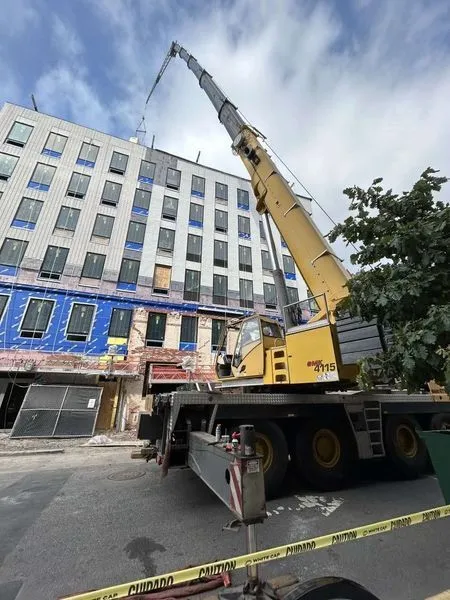
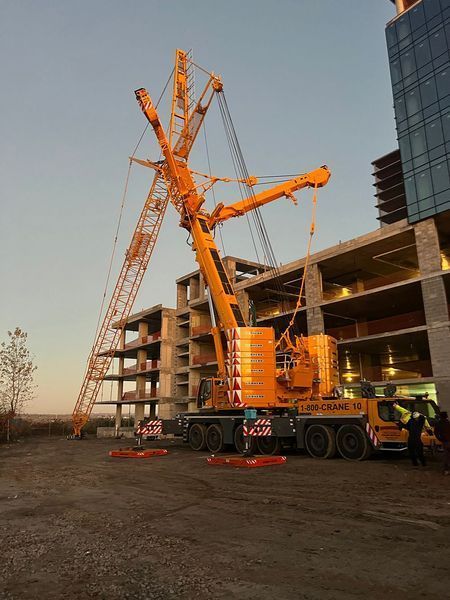
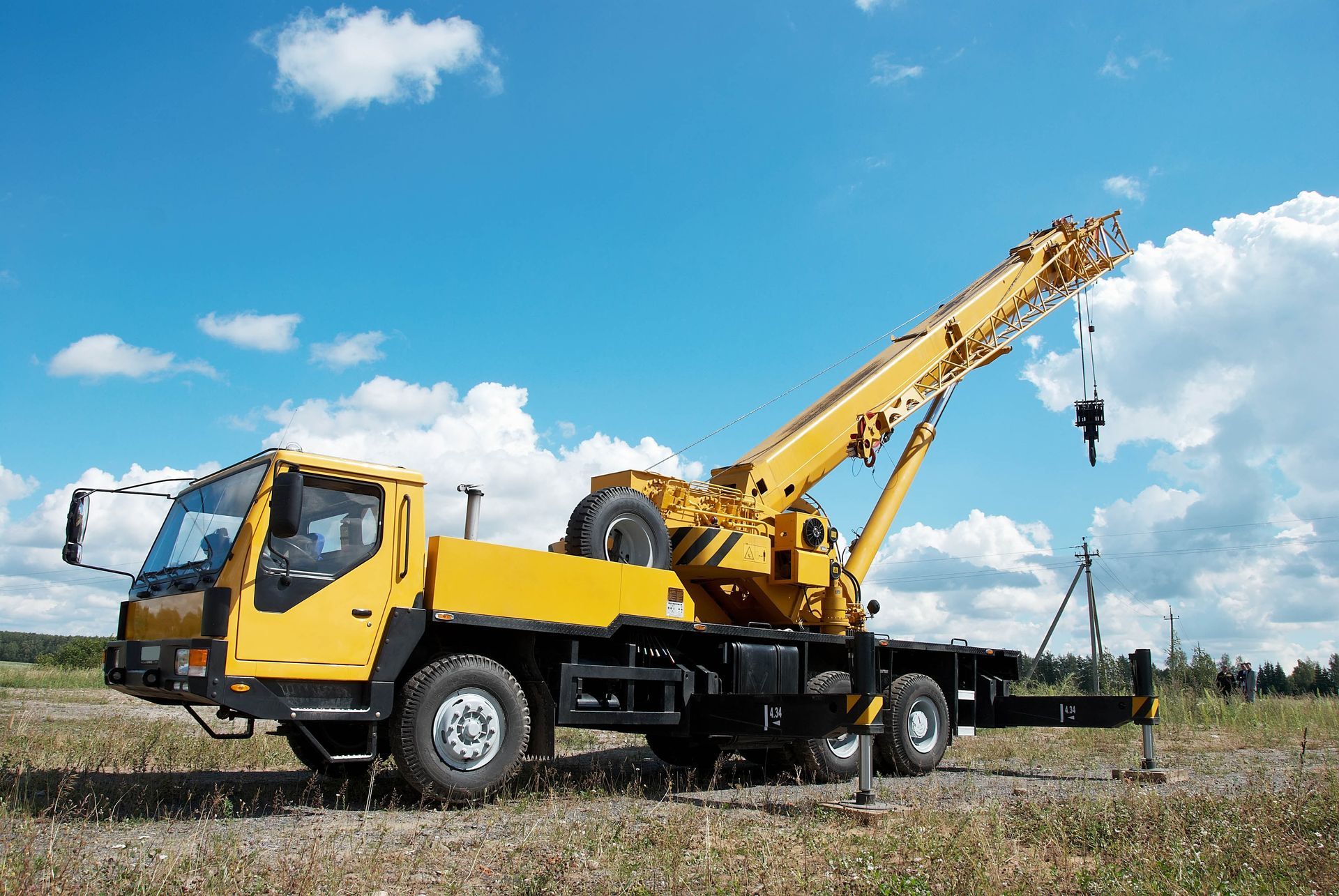
Dobbs Crane Rentals offers crane equipment for projects requiring dependable lifting solutions. Its equipment selection includes hydraulic truck cranes, rough-terrain cranes, and all-terrain cranes, providing options for various jobsite conditions and lifting requirements.
Reviewing available equipment and discussing project specifications with the rental provider can help ensure that the selected crane is appropriate for the work. Confirming these details before the scheduled delivery date also gives everyone involved time to address potential concerns.
Choosing a Reliable Crane Rental Company
Finding the right provider involves more than comparing equipment lists and rental rates. Experience, safety practices, maintenance standards, transparent pricing, and responsive customer service all contribute to a dependable rental experience. Taking the time to evaluate these factors helps you select a company that understands your project's requirements and can provide the appropriate equipment when needed.
Whether you're coordinating a commercial construction project, managing industrial work, or arranging a specialized lift, partnering with an established crane rental company can make a meaningful difference. Contact Dobbs Crane Rentals today to discuss your lifting requirements and find the right crane rental solution for your next project.