November 21, 2026
Selecting the right crane rental company is one of the most critical operational decisions a contractor, project manager, or site supervisor can make. Modern construction and industrial job sites depend heavily on mechanical lifting to place structural steel, hoist mechanical equipment, position precast concrete panels, and transport materials across demanding heights. Partnering with a dependable provider directly impacts project timelines, jobsite safety, risk management, and overall expenditures. Because heavy lifting operations involve significant financial investments and physical hazards, you cannot leave equipment sourcing to chance. Asking targeted, incisive questions before executing a rental agreement ensures your project remains compliant, cost-effective, and safe.
1. What Crane Models and Lifting Capacities Are Maintained in the Fleet?
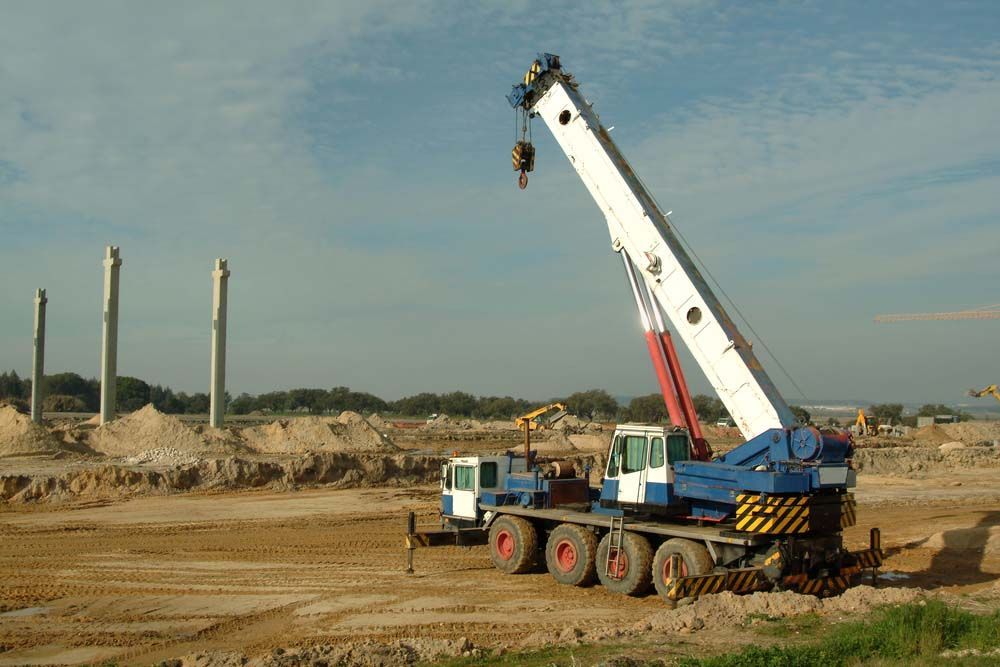
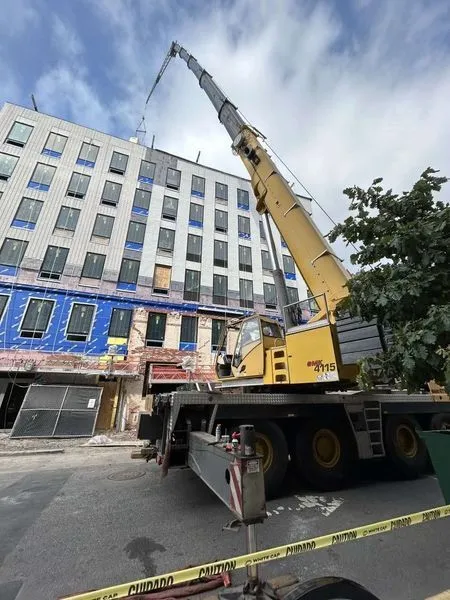
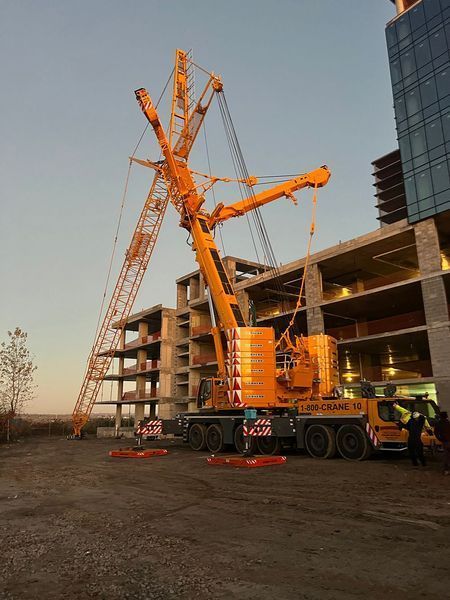
A thorough understanding of an equipment provider's machinery fleet is essential to building an effective lifting strategy. Construction sites vary widely in ground topography, access restrictions, radius constraints, and payload weights. A versatile equipment provider maintains a modern fleet capable of addressing these varied applications. For congested urban builds with tight boundaries, compact all-terrain mobile cranes or rough-terrain units are vital for navigating narrow corridors. Expansive high-rise structures or industrial projects require high-capacity crawler cranes or tower cranes engineered for continuous vertical reach. Beyond general categories, evaluate specific load charts, hook heights, and boom extensions. Confirming that the fleet possesses the precise technical specifications your engineers require prevents expensive delays, inefficient setups, and hazardous structural overloading.
2. What Rental Rates and Incidental Expenses Are Included in the Estimate?
Unanticipated billing surprises can rapidly erode profit margins on any commercial build. When partnering with a professional crane rental company, you need complete visibility into every line item associated with the machinery. Crane rental pricing involves much more than a flat base rate. To avoid unexpected invoices, request an itemized quotation detailing whether the quoted figure covers bare equipment or operated and maintained service. Furthermore, clarify potential incidental fees that arise during mobilization and operation. Inquire about delivery costs, return freight, assembly labor, and permit fees for oversized transit. Weather delays, site restrictions, and preceding trade hold-ups can also trigger standby charges, making transparent cost breakdowns vital for realistic project budgeting.
3. What Safety Certifications and Insurance Policies Are Carried by the Business?
Operating heavy machinery requires strict adherence to regional, national, and industry safety standards. Before signing a contract, verify that the crane rental company maintains comprehensive liability insurance and holds all relevant operational credentials. Legitimate providers readily furnish certificates of insurance demonstrating substantial commercial general liability, umbrella coverage, and specialized riggers liability insurance. Riggers liability is particularly vital, as standard commercial policies often exclude coverage for cargo while actively suspended from a crane hook. In addition, confirm that the company complies with all Occupational Safety and Health Administration (OSHA) mandates and local regulations, ensuring adherence to rigorous legal benchmarks.
4. What Professional Credentials and Operational Experience Are Held by the Operators?
Even the most technologically advanced crane is only as dependable as the individual seated at the controls. Lifting operations have always demanded exceptional human skill and vigilance. According to the Heavy Equipment Colleges of America, the earliest cranes dated back as early as 1500 BC. While ancient lifting devices relied on simple levers and manual pulleys, modern hydraulic cranes are complex engineering marvels requiring extensive technical expertise to command safely. Consequently, you must ask how many years of field experience assigned operators possess and verify their third-party credentials. Top-tier operators hold certifications from accredited organizations, such as the National Commission for the Certification of Crane Operators (NCCCO), actively mitigating worksite hazards.
5. What Maintenance Schedules and Safety Inspection Routines Are Followed for the Machinery?
Mechanical failure during a critical lift can result in catastrophic structural damage, schedule collapses, and severe injuries. For this reason, a reputable crane rental company subjects every machine in its fleet to continuous preventative maintenance and structured mechanical reviews. Ask to review service logs and recent inspection reports for the specific machinery assigned to your jobsite. Consistent maintenance records demonstrate that the equipment has received timely fluid changes, wire rope examinations, structural weld testing, and hydraulic pressure checks. Prior to dispatch, equipment must undergo comprehensive pre-operational safety inspections aligned with manufacturer specifications and OSHA guidelines, ensuring machinery arrives fully operational and mechanically sound.
6. What Jobsite Safety Standards and Emergency Response Protocols Are Enforced on Site?
Jobsite safety requires proactive coordination between the equipment provider and your general contracting team. Inquire about the documented safety management system the provider implements on active job sites. A qualified partner routinely executes thorough pre-lift site hazard assessments that evaluate soil bearing capacities, underground utilities, overhead power lines, and proximity to adjacent structures. Ensuring that outrigger pad pressures are properly calculated and supported with appropriate crane matting is essential for preventing dangerous tipping accidents. Furthermore, the crane rental company must enforce clear stop-work authority protocols that empower operators and riggers to halt operations immediately if unsafe conditions arise.
7. What Tailored Engineering Plans and Custom Rigging Solutions Are Provided for Complex Lifts?
Standard pick-and-place maneuvers represent only a portion of industrial lifting requirements; many projects involve non-standard payloads, blind picks, or tandem lifting configurations. For these high-stakes assignments, an established crane rental company should offer turnkey engineering and rigging consultation. Inquire whether the company employs in-house lift planners and structural engineers who can draft detailed 3D lift plans. Computer-aided simulations calculate precise boom angles, outrigger loads, lift radii, and clearance margins before iron enters your site. Choosing a partner with proven engineering acumen ensures that challenging tandem lifts or restricted-clearance picks are executed with absolute precision and regulatory compliance.
8. What Delivery Logistics and On-Site Assembly Services Are Handled by the Team?
Mobilizing multi-ton machinery across public roadways and setting it up within congested job sites is a massive logistical challenge. You must ascertain the extent to which the provider handles these logistical hurdles on your behalf. Transporting heavy mobile cranes, counterweights, and boom sections often requires specialized lowboy trailers, multi-axle transporters, and pilot escort vehicles. Working with an experienced crane rental company ensures that all transportation logistics, route surveys, and municipal wide-load permits are secured smoothly. Inquire whether the rental package includes certified assembly directors, assist cranes, and qualified rigging personnel to keep your broader construction schedule synchronized.
9. What Client Testimonials and Past Project References Are Documented for Review?
A company's past operational track record is one of the most reliable indicators of its future reliability and professionalism. Before entering a formal contractual partnership, request verifiable references from project managers and general contractors who have recently utilized their services. Inquire specifically about clients who managed projects with similar scopes, timelines, and operational complexities to your own. Speaking directly with previous customers allows you to assess the firm's punctuality, operator professionalism, billing transparency, and problem-solving capabilities when field challenges arise. A trustworthy provider will openly share references and demonstrate a consistent history of dependable project execution.
Carefully vetting your lifting provider through these critical questions protects your personnel, your financial investment, and your master construction timeline. From confirming fleet capabilities and safety records to verifying insurance coverages and operator credentials, thorough due diligence guarantees a seamless lifting operation. Partnering with a dedicated crane rental company gives your project the safety, power, and precision it requires from day one. When you demand uncompromising safety, modern heavy machinery, and seasoned technical professionals who prioritize your timeline, Dobbs Crane Rentals is ready to deliver. Contact Dobbs Crane Rentals today to discuss your site specifications, request a competitive quote, and discover how our dedicated lifting solutions can support your project from groundbreaking to completion.